
Your Website Is Working 24/7—Is It Making the Right First Impression?
Jeri Lamerton • July 19, 2026
Your website is often the first place potential customers learn about your business.
Make sure it's working as hard as you are.

Imagine hiring an employee who never sleeps, never takes a vacation, answers questions around the clock, and is often the first person your customers meet. Sounds like the perfect employee, doesn't it?
The reality is, you already have one—your website.
Whether you're a contractor, manufacturer, retailer, nonprofit organization, or professional service provider, your website works every hour of every day. Potential customers visit your site to learn about your business, compare your services, read reviews, and decide whether they should contact you. In many cases, they've already formed an opinion about your company before they ever pick up the phone.
That's why your website isn't just an online brochure—it's one of your most valuable business assets.
A modern, professional website builds credibility, generates leads, and supports your sales efforts. An outdated or confusing website can do just the opposite.
First Impressions Matter
Research consistently shows that visitors form an opinion about a website within seconds. If your site looks outdated, loads slowly, or is difficult to navigate, many visitors will leave before learning anything about your business.
Your website should immediately answer three questions:
- Who are you?
- What do you do?
- Why should I choose you?
If visitors have to search for those answers, there's a good chance they'll move on to a competitor.
Your Homepage Should Tell Your Story
Think of your homepage as your business's front door.When someone walks into your office, you would greet them, explain what your company does, and make them feel welcome. Your homepage should do exactly the same thing.
Include:
- A clear headline explaining your business
- A brief overview of your products or services
- Strong calls-to-action
- Professional photography
- Customer testimonials
- Easy-to-find contact information
Avoid clutter and unnecessary distractions. Simplicity often creates a better user experience.
Mobile-Friendly Isn't Optional
More than half of all website traffic now comes from mobile devices. If visitors have to zoom in, scroll sideways, or struggle to click buttons on their phones, they're likely to leave. A responsive website automatically adjusts to different screen sizes, making it easy to browse whether someone is using a desktop, tablet, or smartphone. Your customers expect that experience.
Speed Matters More Than You Think
We've all clicked on a website that seemed to take forever to load.
How long did you wait? Most people won't wait very long.
Slow websites frustrate visitors and can negatively impact your search engine rankings.
Improve speed by:
- Compressing images
- Removing unnecessary plugins
- Using reliable website hosting
- Keeping software updated
- Limiting oversized videos and animations
Even small improvements in load time can make a significant difference.
Make It Easy to Contact You
One of the most common website mistakes is hiding contact information. Your phone number, email address, and contact form should be easy to find on every page.
If you have a physical location, include:
- Address
- Map
- Business hours
- Directions
The easier you make it for customers to contact you, the more likely they are to do so.
Build Trust Through Your Website
People do business with companies they trust. Your website should demonstrate credibility through:
- Customer testimonials
- Project photos
- Case studies
- Certifications
- Awards
- Community involvement
- Years of experience
- Team introductions
These elements reassure visitors that they're working with a reputable business.
Don't Forget About Search Engines
A beautiful website won't help your business if no one can find it. Basic search engine optimization (SEO) helps improve your visibility online.
Simple ways to improve SEO include:
- Writing unique page titles
- Adding meta descriptions
- Using relevant keywords naturally
- Optimizing images with descriptive alt text
- Publishing fresh content through blogs
- Maintaining an updated Google Business Profile
SEO isn't about tricking search engines—it's about helping customers find the information they're looking for.
Keep Your Content Fresh
One of the easiest ways to tell if a website has been neglected is outdated content. Old announcements, expired promotions, or years-old blog posts can make a business appear inactive.
Schedule regular website reviews to:
- Update photos
- Refresh service information
- Add recent projects
- Publish new articles
- Highlight company news
- Share community involvement
Fresh content also signals to search engines that your website remains active.
Think Beyond Design
An attractive website is important, but appearance alone won't generate business.
Your website should encourage visitors to take action.
Ask yourself:
Can visitors request a quote?
Is there a clear contact form?
Can they schedule an appointment?
Is your phone number easy to find?
Are calls-to-action placed throughout the site?
Every page should guide visitors toward the next step.
Your Website Is Never Finished
Imagine hiring an employee who never sleeps, never takes a vacation, answers questions around the clock, and is often the first person your customers meet. Sounds like the perfect employee, doesn't it? The reality is, you already have one—your website. Whether you're a contractor, manufacturer, retailer, nonprofit organization, or professional service provider, your website works every hour of every day. Potential customers visit your site to learn about your business, compare your services, read reviews, and decide whether they should contact you. In many cases, they've already formed an opinion about your company before they ever pick up the phone. That's why your website isn't just an online brochure—it's one of your most valuable business assets. A modern, professional website builds credibility, generates leads, and supports your sales efforts. An outdated or confusing website can do just the opposite.
First Impressions Matter
Research consistently shows that visitors form an opinion about a website within seconds. If your site looks outdated, loads slowly, or is difficult to navigate, many visitors will leave before learning anything about your business.
Your website should immediately answer three questions:
- Who are you?
- What do you do?
- Why should I choose you?
If visitors have to search for those answers, there's a good chance they'll move on to a competitor.
Your Homepage Should Tell Your Story
Think of your homepage as your business's front door.
When someone walks into your office, you would greet them, explain what your company does, and make them feel welcome. Your homepage should do exactly the same thing.
Include:
A clear headline explaining your business
A brief overview of your products or services
Strong calls-to-action
Professional photography
Customer testimonials
Easy-to-find contact information
Avoid clutter and unnecessary distractions. Simplicity often creates a better user experience.
Mobile-Friendly Isn't Optional
More than half of all website traffic now comes from mobile devices. If visitors have to zoom in, scroll sideways, or struggle to click buttons on their phones, they're likely to leave. A responsive website automatically adjusts to different screen sizes, making it easy to browse whether someone is using a desktop, tablet, or smartphone. Your customers expect that experience.
Speed Matters More Than You Think
We've all clicked on a website that seemed to take forever to load. How long did you wait?
Most people won't wait very long. Slow websites frustrate visitors and can negatively impact your search engine rankings.
Improve speed by:
- Compressing images
- Removing unnecessary plugins
- Using reliable website hosting
- Keeping software updated
- Limiting oversized videos and animations
Even small improvements in load time can make a significant difference.
Make It Easy to Contact You
One of the most common website mistakes is hiding contact information.
Your phone number, email address, and contact form should be easy to find on every page.
If you have a physical location, include:
- Address
- Map
- Business hours
- Directions
The easier you make it for customers to contact you, the more likely they are to do so.
Build Trust Through Your Website
People do business with companies they trust. Your website should demonstrate credibility through:
- Customer testimonials
- Project photos
- Case studies
- Certifications
- Awards
- Community involvement
- Years of experience
- Team introductions
These elements reassure visitors that they're working with a reputable business.
Don't Forget About Search Engines
A beautiful website won't help your business if no one can find it. Basic search engine optimization (SEO) helps improve your visibility online. Simple ways to improve SEO include:
- Writing unique page titles
- Adding meta descriptions
- Using relevant keywords naturally
- Optimizing images with descriptive alt text
- Publishing fresh content through blogs
- Maintaining an updated Google Business Profile
SEO isn't about tricking search engines—it's about helping customers find the information they're looking for.
Keep Your Content Fresh
One of the easiest ways to tell if a website has been neglected is outdated content. Old announcements, expired promotions, or years-old blog posts can make a business appear inactive. Schedule regular website reviews to:
- Update photos
- Refresh service information
- Add recent projects
- Publish new articles
- Highlight company news
- Share community involvement
Fresh content also signals to search engines that your website remains active.
Think Beyond Design
An attractive website is important, but appearance alone won't generate business. Your website should encourage visitors to take action. Ask yourself:
- Can visitors request a quote?
- Is there a clear contact form?
- Can they schedule an appointment?
- Is your phone number easy to find?
- Are calls-to-action placed throughout the site?
Every page should guide visitors toward the next step.
Your Website Is Never Finished
Many businesses launch a website and don't touch it again for several years. Successful websites evolve.
As your business grows, your website should grow with it. Review your website regularly and ask:
- Does it accurately reflect our business today?
- Are our services current?
- Are photos recent?
- Is our messaging clear?
- Are we providing value to visitors?
Treat your website as a living marketing tool—not a one-time project.
Quick Takeaways
Your website is often the first impression customers have of your business. Clear messaging builds confidence.
Mobile-friendly design is essential. Fast-loading pages improve user experience. Fresh content supports SEO.
Strong calls-to-action generate more leads. Your website should evolve as your business grows.
⭐ LSC Pro Tip
Ask someone who isn't familiar with your business to spend five minutes on your website. Then ask them these three questions:
- What does our company do?
- What makes us different?
- What should you do next?
If they struggle to answer any of those questions, your website may need clearer messaging.
Jeri's Marketing Minute™
One of the first things I review when working with a new client is their website. In many cases, the business itself has grown and evolved, but the website hasn't kept pace. Your website should accurately reflect who you are today—not who you were five years ago. Small updates made consistently can keep your site fresh, relevant, and working hard for your business every day.
Quick Takeaways:
- Your website is often the first impression customers have of your business.
- Clear messaging builds confidence.
- Mobile-friendly design is essential.
- Fast-loading pages improve user experience.
- Fresh content supports SEO.
- Strong calls-to-action generate more leads.
- Your website should evolve as your business grows.
Jeri's Marketing Minute™
One of the first things I review when working with a new client is their website. In many cases, the business itself has grown and evolved, but the website hasn't kept pace. Your website should accurately reflect who you are today—not who you were five years ago. Small updates made consistently can keep your site fresh, relevant, and working hard for your business every day.

Small marketing mistakes can add up. Knowing what to watch for can help you build a stronger brand, reach the right customers, and get more from your marketing investment.
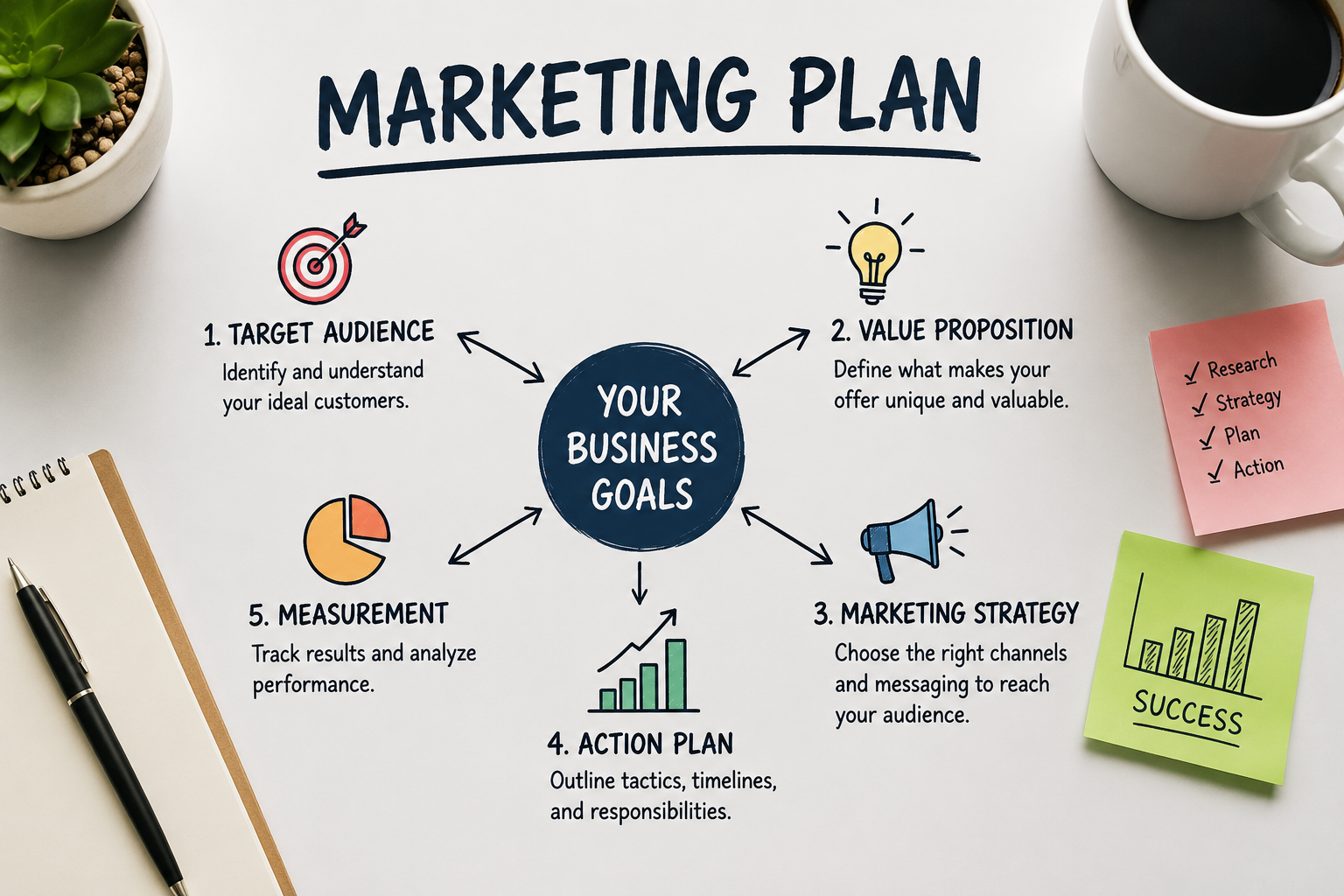
Simple planning can make a big difference in your business growth.

Supporting a Beloved Laurel Tradition That Brings Our Community Together

Most of the season

Keep in touch with site visitors and boost loyalty

Writing great posts